

Dental IT Company

ListenMVP IT specializes in providing dental practices with top-notch IT support. From network configuration and cybersecurity to software integration and data administration, our all-inclusive solutions take care of it all. Get rid of IT problems so you can concentrate on providing top-notch dental care. To get specialized solutions from a reputable dental IT company near you, contact MVP IT right away. Get in touch with MVP IT as soon as possible. In today’s digital world, technology is essential to the success of companies in many different sectors. The dental industry is one such area that gains a great deal from technological developments. Dental IT companies have become essential business partners for dental practices, providing a broad range of services designed to improve security, increase performance, and streamline operations. This article explores the topic of dental IT companies, highlighting their significance, their range of services, and MVP IT, a prominent supplier. What is a Dental IT Company? Definition and Overview A dental IT company is an organization that provides complete IT solutions created specifically for dental practices. These businesses recognize the particular technology requirements and difficulties faced by dental practitioners and offer specially designed solutions to successfully meet those demands. Core Services Offered Dental IT companies offer a variety of services aimed at improving dental practices’ digital infrastructure. These services usually consist of cybersecurity solutions, software installation and integration, network setup and maintenance, data backup and recovery, and technical support. Benefits of Hiring a Dental IT Company Improved Efficiency and Productivity Dental IT companies assist in streamlining administrative activities, automating procedures, and improving workflow efficiency by utilizing cutting-edge technologies and specialized skills. The increased productivity allows dental staff to concentrate more on patient care. Enhanced Data Security Dental practices, like the rest of the healthcare sector, place a high priority on data protection. Dental IT companies adhere to legal standards like HIPAA by putting strong cybersecurity safeguards in place to protect private patient data from online attacks. Access to Specialized Expertise By partnering with a dental IT company, you can gain access to a group of knowledgeable IT specialists who specialize in dental software and technologies. This knowledge enables proactive system maintenance, prompt technical issue resolution, and strategic IT planning tailored to the unique needs of dental clinics. Reliable Support MVP IT guarantees that dental practices receive timely assistance when they encounter IT issues or challenges by providing 24/7 technical support and proactive monitoring. How to Choose the Right Dental IT Company Selecting the Appropriate Dental IT Company Near You Take into consideration the following elements when looking for a local dental IT company: Assessing Experience and Expertise Experience in the field and team members’ skills are important factors to take into account when choosing a dental IT company. Seek out organizations that have a track record of successfully supporting dental offices and possess certifications attesting to their expertise in dental IT solutions. Evaluating Services Offered When evaluating their service offerings, consider how well the various dental IT companies can meet your dental office’s unique requirements. Seek out all-inclusive solutions that cover data management, software support, network security, and continuous technical assistance. Checking Customer Reviews and Testimonials To find out how satisfied they are, spend some time reading through their reviews and testimonies. Positive reviews and success stories indicate an exemplary dental IT company that fulfills its commitments. MVP IT: A Leading Dental IT Company Introduction to MVP IT MVP IT is a well-known dental IT company that provides state-of-the-art technological solutions to dental clinics. MVP IT has established a reputation for competence and innovation because of its team of seasoned IT professionals and years of industry expertise. Range of Services Provided MVP IT provides a full range of IT services specifically designed to meet dental practices’ demands. MVP IT ensures seamless integration of technology into every aspect of dental operations, ranging from network configuration and security to software installation and support. Client Success Stories MVP IT’s experience and customized approach to IT solutions have helped many dental clinics. MVP IT consistently surpasses expectations and produces favorable results for its clients by putting a strong emphasis on long-term relationships and client happiness. Services Offered by MVP IT Dental IT Solutions MVP IT offers a variety of IT solutions specifically tailored for dental offices, including practice management software, digital imaging solutions, and electronic health record systems. Network Security Protecting private patient information is critical for dental offices as cyberattacks become more frequent. MVP IT puts strong network security measures in place to protect against data breaches and cyberattacks. Data Backup and Recovery For dentistry practices, data loss can be disastrous. MVP IT offers trustworthy solutions for data recovery and backup to guarantee continuous access to vital patient data. Hardware and Software Management MVP IT manages every facet of hardware and software management, freeing dental practices to concentrate on patient care. This includes everything from choosing the best technology to optimizing software applications. Finding the Right Dental IT Company Near You Take into account the following elements when looking for a local dental IT company: Conclusion In a world increasingly moving towards digitalization, the significance of technology in dental offices is paramount. In order for dental practices to provide better patient care, increase productivity, and guarantee data security, dental IT companies are essential to their digital infrastructure. Dental clinics can leverage technology to prosper in the current competitive environment by collaborating with a reliable dental IT company such as MVP IT.
Healthcare Technology Solutions

Modern healthcare is changing quickly, and technology is essential to raising patient care standards, increasing operational effectiveness, and spurring innovation. The phrase healthcare technology solution refers to a broad range of digital instruments and interfaces intended to optimise workflows, promote dialogue, and eventually enhance health results. Introduction to Healthcare Technology Solutions The term “HealthTech” or “MedTech” refers to the widespread use of technology in healthcare to support a variety of applications, including wearable health devices, telemedicine, and electronic health records (EHR). These solutions aim to revolutionise healthcare delivery by enhancing accessibility, efficiency, and patient-centeredness. Evolution of Healthcare Technology The need to confront new difficulties and seize possibilities for progress has led to major breakthroughs in healthcare technology over time. Innovation and advancement have characterised the development of healthcare technology, from the advent of electronic medical records to the broad use of telehealth platforms. Benefits of Healthcare Technology Solutions Improved Patient Care Healthcare technology solutions enable providers to provide patients with proactive, individualised treatment. Healthcare providers may anticipate and better manage patients’ demands with the help of data-driven insights and remote monitoring tools, which improve patient satisfaction and health outcomes. Enhanced Efficiency Healthcare IT solutions may greatly increase operational efficiency in healthcare organisations by automating repetitive work, optimising administrative procedures, and promoting information sharing. Digital technologies, such as appointment scheduling, billing, and coding, minimise human error and maximise resource utilisation. Cost Reduction Overall cost savings in the healthcare industry can result from the effective use of technology. Healthcare technology solutions enable remote consultations, minimise duplicate testing, and save paperwork, all of which contribute to lower total healthcare expenses and better patient accessibility and affordability. Types of Healthcare Technology Solutions Electronic Health Records (EHR) Healthcare practitioners may safely access, update, and exchange patient data thanks to electronic health record (EHR) systems. EHRs facilitate provider communication, increase care coordination, and advance clinical decision-making by centralising medical data. Telemedicine Using telecommunications technology, telemedicine allows for remote patient monitoring, diagnosis, and treatment. Telemedicine increases access to healthcare services, especially in underdeveloped areas or during public health emergencies, via means of video consultations, remote monitoring devices, and mobile health apps. Wearable Health Devices Fitness trackers and smartwatches are examples of wearable health gadgets that continuously track vital signs, exercise levels, and other health information. Wearable technology supports preventative care and encourages active engagement in health management by enabling people to track their health and lifestyle choices. Health Information Exchange (HIE) Healthcare Information Exchange (HIE) platforms enable the safe transfer of patient data between various healthcare organisations and providers. HIEs improve patient safety, minimise redundant testing, and support care continuity by facilitating interoperability and seamless data sharing. Healthcare Analytics To glean insights from massive volumes of healthcare data, healthcare analytics employs data mining and predictive modelling approaches. Healthcare analytics aid in evidence-based decision-making, resource allocation, and quality improvement programmes through trend analysis, pattern recognition, and outcome prediction. Challenges in Implementing Healthcare Technology Solutions The adoption and application of healthcare technology solutions are not without difficulties, despite their many advantages. Data Security and Privacy Concerns Patients’ privacy and data security are problems brought up by the digitisation of health information. Strong cybersecurity safeguards and compliance procedures are essential for healthcare organisations to protect private patient information from breaches, illegal access, and cyberattacks. Integration Issues For healthcare companies, integrating various systems and technology is a major problem. Interoperability across EHRs, telemedicine platforms, and other health IT systems needs to be achieved with great care, standardisation, and cooperation from all parties involved. Training and Adoption Adoption and user training are critical for the efficient use of healthcare technology solutions. For the purpose of navigating intricate systems, effectively interpreting data, and seamlessly integrating technology into their workflow, healthcare clinicians and personnel require adequate training and assistance. Future Trends in Healthcare Technology Driven by new ideas and trends that have the power to completely change the way healthcare is provided, the future of healthcare technology is extremely promising. Artificial Intelligence in Healthcare From drug development and diagnostic imaging to personalised treatment planning and predictive analytics, AI-powered tools and algorithms are transforming the delivery of healthcare. Internet of Medical Things (IoMT) The Internet of Medical Things (IoMT) includes real-time health data collection and transmission via wearables, sensors, and linked medical devices. Remote monitoring, proactive intervention, and customised care delivery are made possible by this integrated environment. Virtual Reality in Healthcare Virtual reality (VR) technology is finding its application in growing fields such as medical education, pain management, and therapeutic interventions. Through realistic and secure virtual reality simulations, medical practitioners can rehearse intricate procedures. Personalized Medicine Healthcare is becoming more personalised thanks to developments in precision medicine, genomics, and molecular diagnostics. Personalised medicine offers more precise and successful therapy by customising regimens to each patient’s unique traits, inclinations, and genetic composition. Case Studies of Successful Implementation Hospital X: Implementing EHR System After a smooth transition from paper-based records to an integrated EHR system, Hospital X saw improvements in care coordination among multidisciplinary teams, faster procedures, and a decrease in documentation mistakes. Clinic Y: Adopting Telemedicine for Remote Consultations By introducing telemedicine services, which allow patients to consult with medical professionals from a distance, Clinic Y increased its accessibility and reach. This method maximised clinic resources, decreased no-show rates, and increased patient satisfaction. Conclusion Healthcare technology solutions have the potential to completely transform healthcare delivery, making it more patient-centred, effective, and easily accessible. Healthcare organisations may boost patient care, increase operational effectiveness, and foster innovation throughout the healthcare continuum by utilising digital tools and platforms.
What is Health IT?

When you use technology to manage healthcare information, you’re improving the quality, speed, and delivery of healthcare services. This is what health IT stands for. It includes many innovations in tools, systems, and methods that make gathering, storing, retrieving, and sharing health data easier. Healthcare IT services are critical in modern healthcare delivery because they revolutionize the storage, access, and use of medical information. Evolution of Health IT Due to the development of technology and the increasing demand for effective healthcare administration, health information technology has undergone substantial change over time. At first, most healthcare data was stored on paper, which made it difficult to easily access and distribute data. However, the field of healthcare information management saw a significant upheaval with the introduction of computers and other digital technology. Historical Background Hospitals started experimenting with computerised data processing systems to handle patient records in the 1960s, which is when health IT first emerged. The more advanced health IT solutions that were developed in the ensuing decades were made possible by these early systems. Technological Advancements Rapid technological breakthroughs in recent years have further accelerated the development of health information technology. Healthcare information storage, access, and sharing have completely changed as a result of the broad use of digital imaging systems, health information exchange (HIE) platforms, and electronic health records (EHR). The advent of telemedicine and telehealth technologies has also enabled virtual consultations and remote patient monitoring, thereby increasing the effectiveness and accessibility of healthcare services. Key Components of Health IT A wide range of systems and components are included in health IT, and each one is essential to the efficient management and sharing of medical data. Electronic Health Records (EHR) Healthcare professionals may electronically store, retrieve, and update patient data thanks to electronic health record (EHR) systems. Electronic Health Records (EHRs) facilitate clinical processes, increase documentation accuracy, and improve provider communication. Health Information Exchange (HIE) The safe interchange of patient data between various healthcare systems and organisations is made possible by HIE platforms. Care coordination and continuity are improved when HIEs enable interoperability, which guarantees that patient data is available to authorised healthcare practitioners in a variety of care contexts. Telemedicine and Telehealth Patients can obtain medical consultations, monitoring, and treatment services from the comfort of their homes thanks to telemedicine and telehealth technology, which facilitate remote healthcare delivery. These innovations improve access to healthcare services, especially in impoverished areas, by leveraging digital health tools and telecommunications to get beyond geographic obstacles. Benefits of Health IT Health information technology can greatly benefit patient safety, healthcare providers, and other stakeholders can all benefit greatly from the use of health information technology. Improved Patient Care Through quick access to comprehensive patient information, such as medical history, lab findings, and medication records, health IT systems improve clinical decision-making for healthcare practitioners. As a result, patients will eventually receive better care and be more satisfied with their diagnosis and treatment plan. Enhanced Communication Healthcare professionals may exchange vital patient data instantly because of the smooth communication and cooperation that health IT fosters. As a result, healthcare delivery becomes more effective and efficient and fosters collaboration and care coordination. Streamlined Processes Health IT solutions optimise healthcare workflows, lowering administrative stress and boosting operational efficiency by automating a variety of administrative duties like invoicing, coding, and appointment scheduling. This enables greater patient care, thereby improving overall results for healthcare practitioners. Challenges in Implementing Health IT The adoption of health IT presents a number of obstacles that must be overcome in order to fully realise its potential, despite all of its advantages. Data Security and Privacy Concerns Risks to privacy and security, including data breaches and illegal access, are brought about by the digitisation of medical records. Sustaining trust and adhering to regulatory obligations depends critically on guaranteeing patient information’s confidentiality, integrity, and accessibility. Interoperability Issues The incompatibility of various health IT systems severely hinders smooth information interchange and care coordination. To solve interoperability issues and allow information to move seamlessly across different systems, standardising data formats and protocols is crucial. Cost and Resource Constraints Implementing health IT systems can come with a significant upfront cost as well as ongoing maintenance expenses, especially for small and medium-sized healthcare organisations. The uptake and optimisation of health IT solutions can also be hampered by resource limitations, such as inadequate infrastructure and IT knowledge. Role of Health IT in Healthcare Organizations In today’s healthcare organisations, health information technology (IT) supports many facets of clinical care, administrative functions, and strategic decision-making. Patient Engagement By giving patients access to their medical records, instructional materials, and communication tools, health IT solutions—like patient portals and mobile health apps—enable patients to take an active role in their treatment. Improved health outcomes and patient satisfaction result from this increased patient and healthcare provider engagement and collaboration. Clinical Decision Support To help healthcare practitioners make evidence-based decisions at the point of care, clinical decision support tools like clinical decision support systems (CDSS) and computerised physician order entry (CPOE) are integrated into health IT systems. By utilising patient-specific data, clinical guidelines, and best practices, these technologies can offer real-time recommendations and alerts that lower medical errors and increase patient safety. Population Health Management Healthcare organisations can find trends, patterns, and discrepancies in health outcomes by aggregating and analysing population health data with the use of health IT. Healthcare practitioners can better manage population health, target interventions, and allocate resources to address common health conditions by utilising data analytics and predictive modelling. Future Trends in Health IT With new technologies and changing healthcare requirements driving innovation and evolution, the future of health information technology is bright. Artificial Intelligence and Machine Learning Advanced data analytics, predictive modelling, and personalised treatment are made possible by artificial intelligence (AI) and machine learning (ML), which have the potential to completely change the health IT industry. Algorithms driven by artificial intelligence (AI) have the capacity to examine enormous volumes of medical data in order to find trends, offer insights, and assist clinicians in making decisions
Leading IT Solutions for Hospital Management and Patient Care
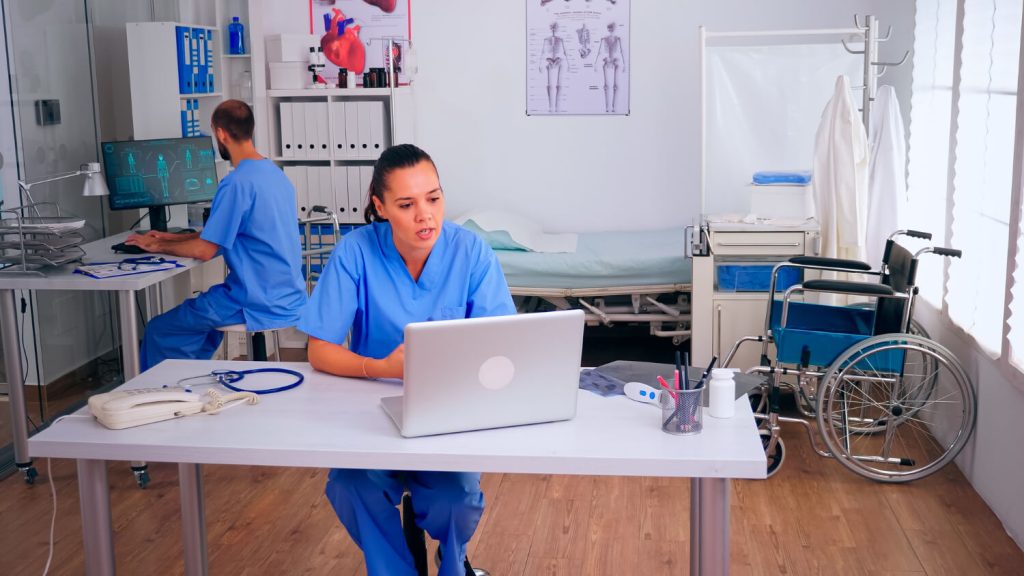
In today’s healthcare environment, using cutting-edge IT solutions in hospitals is not only advantageous but also necessary, especially in busy cities like Calgary, Alberta, Canada. Healthcare IT services are now essential to modern medicine because of the change in patient care and hospital administration brought about by the shift from traditional paper-based records to digital systems. This essay explores the cutting-edge IT systems that are revolutionizing hospital administration and patient care, with a particular emphasis on their use in Calgary and beyond. Technology is becoming more and more important in improving patient care and optimizing hospital operations, and this is a vital time for the healthcare sector. Under this situation, MVP IT offers cutting-edge IT solutions created specifically to satisfy the demands of the healthcare industry. The Evolution of Healthcare IT Services From Paper to Digital: A Revolutionary Change The shift from paper-based records to digital systems has marked a pivotal turning point in healthcare. This digital revolution has enabled quicker access to patient records, streamlined communication between departments, and enhanced the accuracy of medical records, thereby significantly improving patient care and hospital efficiency. Impact on Patient Care and Hospital Management Digital systems have not only simplified administrative tasks but also fostered a more patient-centered approach to healthcare. By reducing manual errors and improving data analysis, healthcare providers can now offer personalized care plans and faster diagnosis, enhancing the overall patient experience. Key Components of Hospital IT Solutions Electronic Health Records (EHR) EHR systems are at the heart of hospital IT solutions, providing a comprehensive digital record of a patient’s medical history. This not only facilitates seamless sharing of information across departments but also supports better clinical decisions. Benefits for Patients and Providers For patients, EHR means quicker service, reduced paperwork, and easier access to their health information. For providers, it means more coordinated care, improved diagnosis and treatment, and increased efficiency. Patient Management Systems These systems streamline everything from appointment scheduling to billing, ensuring that the patient’s journey through the healthcare system is as smooth as possible. Streamlining Patient Care Processes By automating routine tasks, patient management systems allow healthcare providers to focus more on patient care rather than administrative duties. Telemedicine and Remote Care Telemedicine has been a game-changer, especially in remote areas of Alberta. It offers patients access to healthcare services without the need to travel, making healthcare more accessible to everyone. Bridging the Distance Between Patients and Providers Telemedicine not only saves time but also reduces the strain on hospital resources, proving to be a cost-effective solution for both patients and healthcare providers. Leading IT Solutions for Hospitals in Calgary Customized Software Solutions Custom IT solutions cater to the specific needs of hospitals, ensuring that they can operate more efficiently and provide better patient care. Integration with Existing Systems The best IT solutions are those that can seamlessly integrate with existing hospital systems, enhancing functionality without disrupting ongoing operations. Data Security and Compliance With the increasing reliance on digital records, ensuring the security of patient data and compliance with health information privacy laws is paramount. Cloud Computing Solutions Cloud solutions offer scalability, flexibility, and cost-efficiency, making them an ideal choice for healthcare providers looking to modernize their IT infrastructure. Custom Healthcare Solutions Recognizing that no two healthcare providers are the same, MVP IT specializes in developing custom IT solutions that cater specifically to the needs of its clients. The Role of Healthcare IT Services in Enhancing Patient Care Improved Accessibility and Efficiency Digital records and telemedicine have made healthcare services more accessible and efficient, significantly improving patient satisfaction. Enhanced Patient-Doctor Communication IT solutions facilitate better communication between patients and doctors, leading to more informed decision-making and personalized care. Predictive Analytics and Personalized Care The use of predictive analytics in healthcare IT can help in early disease detection and the creation of personalized care plans, significantly improving patient outcomes. Overcoming Challenges in Healthcare IT Navigating Data Privacy Concerns Protecting patient data is a top priority, and overcoming the challenges of data privacy requires robust security measures and continuous monitoring. Ensuring System Interoperability Interoperability between different healthcare IT systems ensures that patient information can be shared efficiently and securely across platforms. Training and Support for Healthcare Professionals Ongoing training and support for healthcare professionals are essential for the effective adoption and use of IT solutions in hospitals. The Future of Hospital Management and Patient Care AI and Machine Learning The future of healthcare IT lies in the integration of AI and machine learning, which can provide unprecedented insights into patient care and hospital management. The Internet of Medical Things (IoMT) IoMT devices are set to transform patient monitoring and care, offering real-time insights into patient health and significantly improving the quality of care. Blockchain for Healthcare Blockchain technology promises to enhance the security and interoperability of healthcare records, paving the way for a new era in healthcare IT. Conclusion Healthcare IT services are transforming hospital management and patient care in Calgary, Alberta, Canada, and around the world. By embracing digital solutions, healthcare providers can offer more efficient, personalized, and accessible care. As technology continues to evolve, the future of healthcare looks promising, with IT solutions playing a central role in shaping that future.
What Are Managed IT Services?

In today’s digital era, businesses rely heavily on technology to streamline operations, enhance productivity, and stay competitive. However, managing IT infrastructure and ensuring its efficiency and security can be a daunting task. This is where managed IT services come into play. Managed IT services involve outsourcing the responsibility for maintaining, managing, and anticipating the need for a range of processes and functions in order to improve operations and cut expenses. Instead of employing an in-house IT team, businesses can rely on managed service providers (MSP) to handle their IT needs. Managed IT services encompass a broad spectrum of offerings, including network monitoring, data backup and recovery, cybersecurity, cloud computing, and technical support. What are managed IT services? With managed IT services, businesses can contract out or subscribe to IT services from a vendor. These services can be utilized to relieve internal teams of some of their workload, support internal teams who are overworked, or take the place of internal teams when needed. Managed service providers (MSPs) offer specialized knowledge and skills that may not be available otherwise, and they can help guarantee that IT responsibilities are covered around-the-clock. Benefits of Managed IT Services Cost-effectiveness One of the primary benefits of managed IT services is cost-effectiveness. By outsourcing IT management to a third-party provider, businesses can reduce overhead costs associated with hiring and training in-house IT staff, as well as expenses related to maintaining infrastructure and equipment. Proactive Maintenance and Support Managed IT services providers offer proactive maintenance and support, meaning they monitor systems around the clock to detect and address potential issues before they escalate into serious problems. This proactive approach helps minimize downtime and ensures that businesses can operate smoothly without disruptions. Enhanced Security Cybersecurity is a growing concern for businesses of all sizes. Managed IT services providers implement robust security measures to protect sensitive data and networks from cyber threats such as malware, ransomware, and phishing attacks. This includes regular security updates, firewall management, and intrusion detection. Scalability and flexibility Managed IT services are highly scalable and flexible, allowing businesses to adapt to changing needs and requirements. Whether it’s adding new users, expanding operations, or integrating new technologies, MSPs can tailor their services to accommodate growth and expansion. Considerations Before Choosing Managed IT Services Before partnering with a managed IT services provider, businesses should carefully consider their specific needs and requirements. It’s essential to assess factors such as service level agreements (SLAs), the reputation and experience of the provider, customization options, and compatibility with existing systems. Key Features of Managed IT Services 24/7 monitoring and support Managed IT service providers offer 24/7 monitoring and support, ensuring that systems are continuously monitored for performance issues and potential threats. This proactive monitoring allows for prompt identification and resolution of problems, minimizing downtime and optimizing productivity. Data Backup and Disaster Recovery Data loss can have catastrophic consequences for businesses. Managed IT services providers implement comprehensive data backup and disaster recovery solutions to ensure that critical data is protected and can be quickly restored in the event of a disaster or system failure. Network infrastructure management Managed IT services providers oversee the management and optimization of network infrastructure, including servers, routers, switches, and other networking components. This includes configuring, monitoring, and maintaining network devices to ensure optimal performance and reliability. Cloud Services Many managed IT services providers offer cloud services, allowing businesses to leverage the power and flexibility of cloud computing for storage, computing, and collaboration. Cloud services offer scalability, accessibility, and cost-effectiveness, making them an attractive option for businesses of all sizes. Case Studies: Real-world Examples Successful Implementation of Managed IT Services Several businesses have experienced significant benefits from implementing managed IT services. For example, a small manufacturing company was able to improve operational efficiency and reduce IT costs by partnering with an MSP to manage their network infrastructure and provide technical support. Impact on Business Operations and Growth Managed IT services have helped businesses streamline operations, enhance productivity, and achieve growth objectives. By outsourcing IT management to a trusted provider, businesses can focus on core competencies and strategic initiatives, rather than getting bogged down by IT issues. Challenges of Managed IT Services While managed IT services offer numerous benefits, there are also challenges to consider. These include integration with existing systems, potential for downtime during transitions, and finding the right provider that aligns with the business’s needs and objectives. Future Trends in Managed IT Services Artificial intelligence and automation The integration of artificial intelligence (AI) and automation is expected to play a significant role in the future of managed IT services. AI-driven technologies can automate routine tasks, improve efficiency, and enhance security by identifying and mitigating threats in real-time. Cybersecurity Advancements As cyber threats continue to evolve and become more sophisticated, managed IT service providers will need to stay ahead of the curve by implementing advanced cybersecurity measures and technologies. This includes threat intelligence, behavioral analytics, and proactive security monitoring. Remote Work Support The shift towards remote work has accelerated the demand for managed IT services that support remote connectivity, collaboration, and security. Managed IT services providers are adapting their offerings to accommodate the needs of remote workers, including secure VPN access, virtual desktop infrastructure (VDI), and cloud-based collaboration tools. Conclusion Managed IT services offer a wide range of benefits for businesses, including cost-effectiveness, proactive maintenance and support, enhanced security, and scalability. However, it’s essential for businesses to carefully consider their needs and requirements before choosing a managed IT services provider. By partnering with the right provider and leveraging the latest technologies and trends, businesses can optimize their IT infrastructure and drive growth and success.
Veterinary IT Services: Optimize Animal Care

In today’s technologically advanced world, every industry is leveraging the power of Information Technology (IT) to streamline operations, enhance services, and improve overall efficiency. The veterinary field is no exception. Veterinary IT services have emerged as essential tools for optimizing animal care, revolutionizing the way veterinary practices operate and improving outcomes for both animals and their caregivers. Veterinary IT services encompass a wide range of digital tools and solutions designed specifically for animal care facilities. These services aim to digitize and automate various aspects of veterinary practice management, including patient records, appointment scheduling, billing, and communication. Importance of IT in Animal Care Streamlining Administrative Tasks One of the primary benefits of veterinary IT services is their ability to streamline administrative tasks. With electronic medical records (EMRs) and practice management software, veterinarians can efficiently manage patient information, schedule appointments, and handle billing and invoicing tasks. Enhancing Communication Effective communication is essential in any healthcare setting, and veterinary practices are no exception. Veterinary IT services often include features such as email and SMS reminders, online appointment booking, and client portals, facilitating seamless communication between veterinarians, staff, and pet owners. Improving Patient Care By providing veterinarians with instant access to comprehensive patient records and diagnostic tools, veterinary IT services enable more accurate diagnoses and personalized treatment plans. Telemedicine capabilities also allow veterinarians to provide remote consultations and monitor patients’ progress from anywhere, improving access to care for both rural and urban pet owners. Key Features of Veterinary IT Services Electronic Medical Records (EMRs) Electronic medical records (EMRs) are digital versions of paper charts containing all of a patient’s medical history, diagnoses, medications, treatment plans, and test results. EMRs allow veterinarians to access patient information quickly and securely, improving the efficiency and accuracy of diagnosis and treatment. Telemedicine Capabilities Telemedicine allows veterinarians to conduct virtual consultations with pet owners, providing advice, diagnosing minor ailments, and monitoring chronic conditions remotely. Telemedicine services can help reduce the need for in-person visits, especially in emergencies or for clients with limited mobility. Client Portals Client portals are online platforms that allow pet owners to access their pets’ medical records, schedule appointments, request prescription refills, and communicate with veterinary staff securely. Client portals improve client engagement and satisfaction by empowering pet owners to take an active role in their pets’ healthcare. Benefits of Implementing Veterinary IT Services Increased Efficiency By automating routine tasks and streamlining workflows, veterinary IT services help practices operate more efficiently, allowing veterinarians and staff to focus on providing quality care to their patients. Electronic medical records (EMRs) eliminate the need for paper-based record-keeping, reducing errors and administrative overhead. Enhanced Patient Outcomes Access to comprehensive patient records and diagnostic tools enables veterinarians to make more informed decisions and provide better care to their patients. Telemedicine services improve access to care for pet owners in remote areas or with limited mobility, leading to earlier diagnosis and treatment of health issues. Better Client Satisfaction Client portals and telemedicine capabilities enhance communication and accessibility, improving client satisfaction and loyalty. By offering convenient online appointment scheduling, prescription refills, and virtual consultations, veterinary practices can provide a higher level of service and convenience to their clients. Challenges in Adopting Veterinary IT Services Initial Setup Costs Implementing veterinary IT services can be costly, requiring investments in hardware, software, and staff training. Small practices, in particular, may struggle to afford the upfront costs associated with transitioning to a digital practice management system. Staff Training and Resistance to Change Transitioning to a digital practice management system requires staff training and adaptation to new workflows and procedures. Some staff members may resist change or struggle to learn new technologies, leading to implementation challenges and decreased productivity during the transition period. Data Security Concerns Storing sensitive patient information electronically raises concerns about data security and privacy. Veterinary practices must implement robust security measures, such as encryption, access controls, and regular data backups, to protect patient confidentiality and comply with regulatory requirements. Case Studies: Successful Implementation of Veterinary IT Services ABC Animal Hospital ABC Animal Hospital, a small veterinary practice in rural Wyoming, successfully implemented a cloud-based practice management system with telemedicine capabilities. By offering virtual consultations and online appointment scheduling, ABC Animal Hospital improved access to care for clients in remote areas and increased patient engagement. XYZ Veterinary Clinic XYZ Veterinary Clinic, a large urban practice, invested in an integrated electronic medical records (EMR) system with client portals and mobile apps. By empowering pet owners to access their pets’ medical records and communicate with veterinary staff online, XYZ Veterinary Clinic improved client satisfaction and streamlined administrative tasks. Future Trends in Veterinary IT Services Artificial Intelligence (AI) Applications Advances in artificial intelligence (AI) are revolutionizing the veterinary field, enabling the development of predictive analytics tools, image recognition software, and virtual assistants for veterinarians. AI applications have the potential to improve diagnostic accuracy, optimize treatment plans, and enhance patient outcomes. Wearable Technology for Animals Wearable technology, such as fitness trackers and health monitors, is becoming increasingly popular among pet owners, allowing them to monitor their pets’ activity levels, heart rate, and sleep patterns. Veterinary IT services may incorporate wearable technology to collect real-time health data and provide personalized recommendations for pet care. Conclusion Veterinary IT services play a crucial role in optimizing animal care by streamlining administrative tasks, enhancing communication, and improving patient outcomes. By implementing digital practice management systems, veterinarians can increase efficiency, improve client satisfaction, and provide better care to their patients. Despite challenges such as initial setup costs and data security concerns, the benefits of veterinary IT services outweigh the drawbacks, paving the way for a more connected and efficient veterinary industry.
Elevate Your Business with Managed IT Services Excellence

The business landscape is evolving at an unprecedented pace, and with it, the demand for efficient and reliable IT solutions continues to grow. In this era of digital transformation, businesses are turning to Managed IT Services to streamline operations, enhance security, and achieve sustainable growth. Let’s delve into the world of Managed IT Services and explore how they can elevate your business to new heights. In the dynamic realm of information technology, businesses are constantly seeking innovative ways to stay competitive. Managed IT Services have emerged as a game-changer, providing businesses with a comprehensive suite of IT solutions. From network management to cybersecurity and beyond, these services offer a holistic approach to IT support. Elevate Your Business with Managed IT Services Excellence Brief Overview of IT Services Traditionally, businesses relied on in-house IT departments to manage their technology needs. However, the complexity of modern IT systems necessitates a more sophisticated and proactive approach. Managed IT Services encompass a range of services provided by external experts to ensure the seamless functioning of IT infrastructure. Importance of Managed IT Services for Businesses In a fast-paced business environment, downtime and security breaches can have severe consequences. Managed IT Services not only address these challenges but also contribute to overall business efficiency. By outsourcing IT management, businesses can focus on their core competencies while leaving the technical aspects to experts. Understanding Managed IT Services Definition and Scope Managed IT Services involve the outsourcing of various IT functions to a third-party service provider. These functions may include network monitoring, cybersecurity, data backup, and more. The scope of services can be customized based on the specific needs of the business. Key Features and Benefits One of the primary features of managed IT services is proactive monitoring, which allows for the early detection and resolution of issues. This proactive approach minimizes downtime and ensures a more stable IT environment. Additionally, businesses benefit from access to a team of skilled professionals without the burden of maintaining an in-house IT staff. Differentiating Factors What sets Managed IT Services apart is the emphasis on preventive measures and continuous improvement. Service providers not only address immediate issues but also work towards optimizing IT infrastructure for long-term stability. This proactive stance distinguishes managed services from reactive, break-fix models. Why Businesses Need Managed IT Services Enhancing Operational Efficiency Efficiency is the cornerstone of business success. Managed IT Services contribute to operational efficiency by streamlining processes, ensuring the availability of critical systems, and minimizing disruptions. This results in improved productivity and a more agile business environment. Ensuring Data Security In an era of increasing cyber threats, data security is a top priority for businesses. Managed IT Services include robust cybersecurity measures such as firewalls, antivirus software, and data encryption. This proactive approach protects sensitive information and mitigates the risk of data breaches. Cost-effectiveness and Scalability Maintaining an in-house IT department can be a significant financial burden for businesses. Managed IT Services offer a cost-effective alternative, allowing businesses to pay for the services they need without the overhead of hiring and training IT staff. Additionally, these services are scalable, accommodating the evolving needs of growing businesses. Choosing the Right Managed IT Service Provider Research and Assessment Selecting the right service provider is crucial for the success of Managed IT Services implementation. Businesses should conduct thorough research, assess the provider’s track record, and seek client testimonials. A reputable provider will have a proven history of delivering reliable and effective solutions. Customization and Flexibility Every business is unique, and its IT needs may vary. A reliable Managed IT Service provider offers customized solutions tailored to the specific requirements of the business. Flexibility in service offerings ensures that businesses receive the support they need without unnecessary services. 24/7 Support and Proactive Monitoring IT issues can arise at any time, affecting business operations. A key attribute of a reliable service provider is 24/7 support and proactive monitoring. This ensures that potential issues are identified and addressed swiftly, minimizing downtime and impact on productivity. Implementing Managed IT Services in Your Business Seamless Integration Process The integration of Managed IT Services into existing business processes should be a smooth and seamless process. Service providers work closely with businesses to understand their operations and customize the implementation plan. A well-executed integration minimizes disruptions and ensures a quick return to normal business operations. Employee Training and Adaptation As businesses adopt new IT solutions, it’s essential to provide adequate training for employees. Managed IT Service providers often offer training programs to ensure that staff members can effectively use the new systems. Employee adaptation is crucial for maximizing the benefits of the implemented services. Real-world Success Stories Numerous businesses have successfully implemented Managed IT Services, experiencing significant improvements in efficiency, security, and overall performance. Real-world success stories serve as testimonials to the effectiveness of these services and provide valuable insights for businesses considering adoption. Common Misconceptions about Managed IT Services Addressing Myths and Concerns Despite the proven benefits of Managed IT Services, there are common misconceptions that can deter businesses from adopting them. Addressing these myths and concerns is essential to provide clarity and promote informed decision-making. Clarifying the Role of Service Providers Some businesses may be hesitant to outsource critical IT functions due to concerns about control and accountability. Clarifying the role of service providers and establishing transparent communication channels helps build trust and ensures a collaborative partnership. Highlighting Success Statistics Statistics and metrics showcasing the success of businesses that have adopted Managed IT Services can be powerful tools in dispelling misconceptions. Highlighting tangible results, such as reduced downtime, increased productivity, and enhanced security, reinforces the value of these services. Future Trends in Managed IT Services Emerging Technologies The landscape of IT is constantly evolving, and Managed IT Service providers stay at the forefront of technological advancements. Exploring emerging technologies such as artificial intelligence, machine learning, and the Internet of Things, these providers offer businesses the opportunity to stay ahead in a rapidly changing digital landscape. Adaptation Strategies for Businesses As new technologies emerge, businesses must have
Elevate Healthcare Excellence with Advanced IT Support

In today’s rapidly evolving healthcare landscape, the integration of advanced IT support has become paramount for organizations striving to deliver superior patient care while optimizing operational efficiency. Leveraging cutting-edge technology can revolutionize how healthcare services are delivered and managed. Let’s explore how advanced IT support can elevate healthcare excellence. Healthcare IT support encompasses a range of technologies and systems designed to enhance various aspects of medical care delivery and administration. From electronic health records (EHR) systems to telemedicine solutions, these advancements play a crucial role in modernizing healthcare practices. Importance of Advanced IT Support in Healthcare Streamlined Operations Advanced IT support facilitates the automation of administrative tasks, streamlining operations, and reducing manual errors. By digitizing patient records and automating appointment scheduling, healthcare providers can optimize workflows and allocate resources more efficiently. Enhanced Patient Care With advanced IT support, healthcare professionals can access comprehensive patient data in real-time, enabling more informed decision-making and personalized treatment plans. Remote monitoring technologies and telemedicine platforms also empower patients to receive timely care from the comfort of their homes. Improved Data Security Data security is paramount in healthcare, given the sensitive nature of patient information. Advanced IT support includes robust cybersecurity measures such as encryption, access controls, and regular security audits to safeguard against data breaches and unauthorized access. Key Components of Elevate Healthcare Excellence with Advanced IT Support Electronic Health Records (EHR) Systems EHR systems centralize patient information, including medical history, diagnoses, medications, and lab results, into electronic formats accessible to authorized healthcare providers. This digitization enhances data accuracy, accessibility, and interoperability across different healthcare settings. Telemedicine Solutions Telemedicine solutions enable remote consultations, diagnosis, and treatment delivery through secure video conferencing platforms. By eliminating geographical barriers, telemedicine improves access to healthcare services, particularly for patients in underserved or rural areas. Cybersecurity Measures To mitigate the risk of cyber threats, advanced IT support incorporates robust cybersecurity measures such as firewalls, intrusion detection systems, and regular vulnerability assessments. Training staff on cybersecurity best practices is also essential in maintaining a secure environment. Implementation Challenges and Solutions Integration Issues One of the primary challenges in implementing advanced IT support in healthcare is integrating new technologies with existing systems seamlessly. Interoperability standards and collaboration between vendors are crucial for ensuring smooth integration and data exchange. Staff Training Adopting new IT solutions requires comprehensive training programs to familiarize healthcare staff with the functionalities and workflows. Investing in ongoing training and support ensures that employees can leverage technology effectively to deliver quality care. Regulatory Compliance Healthcare organizations must adhere to strict regulatory requirements, such as HIPAA (Health Insurance Portability and Accountability Act), to protect patient privacy and confidentiality. Compliance with regulatory standards requires meticulous planning and adherence to industry guidelines. Case Studies Success Stories of Healthcare Organizations Leveraging Advanced IT Support Advantages of Outsourcing IT Support Cost-effectiveness Outsourcing IT support services can be cost-effective for healthcare organizations, as it eliminates the need for maintaining in-house IT infrastructure and staffing. Managed service providers offer flexible pricing models tailored to specific needs and budgets. Access to Expertise Partnering with IT experts provides access to specialized knowledge and skills in deploying and managing advanced technology solutions. External vendors stay abreast of industry trends and best practices, ensuring optimal performance and security. Scalability Outsourced IT support offers scalability, allowing healthcare organizations to adjust resources according to fluctuating demand and business requirements. Whether scaling up for expansion or downsizing during lean periods, outsourcing provides flexibility and cost savings. Future Trends in Healthcare IT Support Artificial Intelligence Integration The integration of artificial intelligence (AI) technologies such as machine learning and natural language processing holds immense potential in healthcare. AI-driven solutions can analyze vast amounts of medical data, predict outcomes, and assist clinicians in diagnosis and treatment planning. Blockchain Technology Blockchain technology offers decentralized and tamper-proof storage of healthcare data, ensuring transparency, security, and interoperability. By leveraging blockchain, healthcare organizations can streamline data exchange, reduce administrative overhead, and enhance patient privacy. Choosing the Right IT Support Provider Factors to Consider Questions to Ask Potential Providers Conclusion In conclusion, advanced IT support is indispensable for elevating healthcare excellence in the digital age. By harnessing the power of technology, healthcare organizations can streamline operations, enhance patient care, and safeguard sensitive information. Embracing innovation and investing in IT infrastructure will be instrumental in driving positive outcomes and advancing the future of healthcare.
Medical Technology Support Services

In the rapidly evolving landscape of healthcare, technology plays a pivotal role in delivering efficient and effective patient care. Medical IT support services encompass a range of solutions tailored to meet the unique needs of healthcare providers, ensuring seamless operation of their IT infrastructure. Medical technology support services are a cornerstone of modern healthcare delivery. They encompass a diverse array of offerings designed to assist healthcare providers in effectively leveraging medical technology to enhance patient outcomes and operational efficiency. Medical IT support services encompass a range of solutions tailored specifically to the unique needs of healthcare organizations. From maintaining secure networks to implementing electronic health records (EHR) systems, these services are designed to optimize operational efficiency and enhance patient care delivery. Role of Medical IT Support Services Medical technology support services encompass a wide range of solutions designed to address the unique needs of healthcare providers. These services include: IT Infrastructure Development Experienced IT professionals collaborate with healthcare organizations to design and implement robust infrastructure solutions tailored to their specific requirements. This includes hardware procurement, network setup, and software installation to support critical healthcare applications. Cybersecurity Solutions To mitigate the risk of data breaches and cyber attacks, medical technology support services offer comprehensive cybersecurity solutions. This includes regular security audits, threat monitoring, and employee training to enhance awareness of cybersecurity best practices. Data Backup and Disaster Recovery In the event of a data breach or system failure, timely recovery is essential to minimize downtime and prevent loss of critical information. IT support services implement robust backup and disaster recovery solutions to ensure that data can be quickly restored in case of an emergency. 24/7 Helpdesk Support Healthcare providers operate around the clock, and so does their need for technical assistance. IT support services offer 24/7 helpdesk support, ensuring that assistance is available whenever it’s needed, regardless of the time or day. Types of Medical Information Technology Support Services Hardware Support Hardware support involves the maintenance and troubleshooting of physical IT components such as servers, workstations, medical devices, and networking equipment. This includes tasks like equipment installation, upgrades, repairs, and ensuring compliance with regulatory standards. Software Support Software support focuses on the management and optimization of healthcare software applications, including EHR systems, billing software, practice management tools, and security solutions. It involves software installation, updates, customization, and user training to maximize efficiency and data security. Network Support Network support encompasses the design, configuration, and maintenance of healthcare IT networks, including wired and wireless infrastructure, VPNs, firewalls, and data backup systems. This ensures seamless connectivity, data transmission, and protection against cyber threats. Maintenance and Repair Services Ongoing maintenance contracts to ensure the proper functioning of medical devices, along with prompt repair services in the event of malfunctions or breakdowns. Benefits of Utilizing Medical Technology Support Services Improved Patient Care By streamlining administrative tasks and providing timely access to patient information, medical technology support services enable healthcare providers to deliver more personalized and effective care to their patients. Enhanced Efficiency and Productivity Efficient IT infrastructure and streamlined workflows result in improved efficiency and productivity within healthcare facilities. By automating routine tasks and reducing manual paperwork, healthcare providers can focus more on patient care and less on administrative burdens. Cost Savings While initial investments in technology support services may seem daunting, the long-term benefits far outweigh the costs. By reducing errors, minimizing downtime, and optimizing resource utilization, medical technology support services help healthcare providers achieve significant cost savings in the long run. Compliance with Regulations and Standards Adherence to regulatory requirements such as HIPAA ensures patient data security and confidentiality, safeguarding healthcare providers from potential penalties and liabilities. Challenges Faced by Healthcare Providers Lack of IT Infrastructure Many healthcare facilities struggle with outdated IT infrastructure, hindering the adoption of new technologies and slowing down administrative processes. Cybersecurity Concerns With the increasing digitization of medical records, cybersecurity threats pose a significant risk to patient data security. Healthcare providers must invest in robust cybersecurity measures to protect sensitive information from unauthorized access or breaches. Integration of New Technologies Integrating new technologies into existing healthcare systems can be complex and time-consuming. Healthcare providers require expert guidance and support to ensure a smooth transition and maximize the benefits of new technologies. Choosing the Right Medical Technology Support Providers When selecting a medical technology support provider, healthcare organizations should consider several key factors to ensure they receive optimal service. Expertise and Experience Look for providers with extensive experience in healthcare IT support and a track record of successful implementations. Verify their certifications, industry partnerships, and client testimonials to gauge their expertise and reliability. Customized Solutions Every healthcare organization is unique, with its own set of challenges and priorities. Choose an IT support provider that offers customized solutions tailored to your specific needs, rather than one-size-fits-all packages. Scalability and Flexibility As your healthcare organization grows and evolves, so too should your IT infrastructure and support services. Select a provider that offers scalable solutions and flexibility to adapt to changing needs and technologies. Customer Support and Response Time Prompt and reliable customer support is essential for resolving issues quickly and minimizing downtime, so choose a provider known for their responsiveness and accessibility. Future Trends in Medical Technology Support Services The future of medical technology support services is marked by continued innovation and advancements that promise to further enhance healthcare delivery. Conclusion In conclusion, medical IT support services play a vital role in empowering healthcare providers to navigate the complexities of modern healthcare delivery effectively. By outsourcing IT support, healthcare organizations can optimize their IT infrastructure, enhance data security, and focus on delivering quality patient care. Embracing emerging technologies and partnering with experienced IT support providers are essential steps for healthcare providers seeking to thrive in an increasingly digital healthcare landscape.
Local IT Support for Dental Offices

In today’s digital age, where technology plays a crucial role in every industry, dental offices are no exception. The seamless integration of Information Technology (IT) is vital for efficient practice management, patient care, and data security. In this article, we will explore the significance of local IT support for dental offices, focusing on the expertise and services provided by MVP IT. Dental practices rely heavily on technology for various aspects of their operations. From appointment scheduling to digital radiography, IT systems are integral to the modern dental office. However, the complexity of these systems often requires specialized support to ensure smooth functioning. MVP IT stands out as a local IT support provider specializing in catering to the unique needs of dental offices. With a team of experienced professionals, they offer personalized solutions to address the challenges faced by dental practices in the ever-evolving IT landscape. The Significance of Local IT Support Tailored services for dental offices Local IT support providers understand the specific requirements of dental offices, tailoring their services to meet these needs effectively. Unlike generic IT solutions, local providers like MVP IT focus on the nuances of dental practice management. Quick response time and on-site assistance One of the key advantages of choosing local IT support is the rapid response time. In case of emergencies or technical issues, having a local team ensures on-site assistance, minimizing downtime and disruption to daily operations. Building a trustworthy relationship with a local IT provider Dental offices benefit from establishing a trustworthy relationship with a local IT support provider like MVP IT. The familiarity with the local community allows for a deeper understanding of the dental practice’s unique challenges and goals. Understanding Dental IT Needs Specialized software requirements Dental offices often use specialized software for tasks such as patient records management, imaging, and treatment planning. Local IT support providers comprehend the intricacies of these applications, ensuring seamless integration and optimal performance. Data security and patient confidentiality Protecting sensitive patient information is a top priority for dental practices. Local IT support providers understand the importance of robust data security measures, implementing protocols to safeguard patient confidentiality and comply with regulatory requirements. Network infrastructure for efficient dental practice management A reliable network infrastructure is essential for the smooth operation of dental offices. Local IT support, such as that provided by MVP IT, ensures that the network is optimized for efficient practice management, including fast and secure communication and data transfer. MVP IT: A Closer Look Background and expertise in dental IT support MVP IT boasts a team of IT professionals with a deep understanding of the unique challenges faced by dental offices. Their background in dental IT support positions them as experts in the field. Services offered by MVP IT MVP IT provides a range of services tailored to the specific needs of dental practices. These include proactive IT maintenance, 24/7 support, network optimization, and assistance with software integration. Success stories and testimonials Numerous dental offices have benefited from MVP IT’s expertise. Success stories and testimonials highlight the positive impact of their services on improving efficiency, reducing downtime, and enhancing overall practice success. Benefits of Choosing MVP IT Cost-effective solutions MVP IT understands the budget constraints faced by dental practices. Their cost-effective solutions ensure that dental offices receive high-quality IT support without breaking the bank. Proactive IT maintenance to prevent issues Prevention is key in the world of IT support. MVP IT takes a proactive approach, identifying and addressing potential issues before they escalate, thereby minimizing disruptions to dental operations. 24/7 support and emergency response Dental offices operate on various schedules, including evenings and weekends. MVP IT recognizes the importance of round-the-clock support, providing emergency assistance whenever it is needed. Factors to Consider When Choosing Local IT Support When selecting a local IT support provider for a dental office, several factors should be considered: Steps to Find the Best Local IT Support for Dental Offices Practices To find the best local IT support provider for a dental office, follow these steps: Tips for Optimizing IT Infrastructure in Dental Offices To optimize IT infrastructure in dental offices, consider the following tips: Cost-Effectiveness of MVP IT Solutions MVP IT solutions offer a cost-effective alternative to traditional IT support models, providing essential services at predictable monthly rates. By eliminating the need for costly hardware investments and minimizing downtime, MVP IT helps dental practices optimize their IT budgets while maximizing the value of technology investments. Conclusion In conclusion, local IT support, particularly MVP IT solutions, offers dental offices the essential technical expertise and support needed to optimize efficiency, enhance security, and deliver superior patient care. By partnering with a reputable local IT provider and leveraging cost-effective solutions tailored to their specific needs, dental practices can overcome common IT challenges and stay ahead of the curve in an increasingly digital healthcare landscape.
